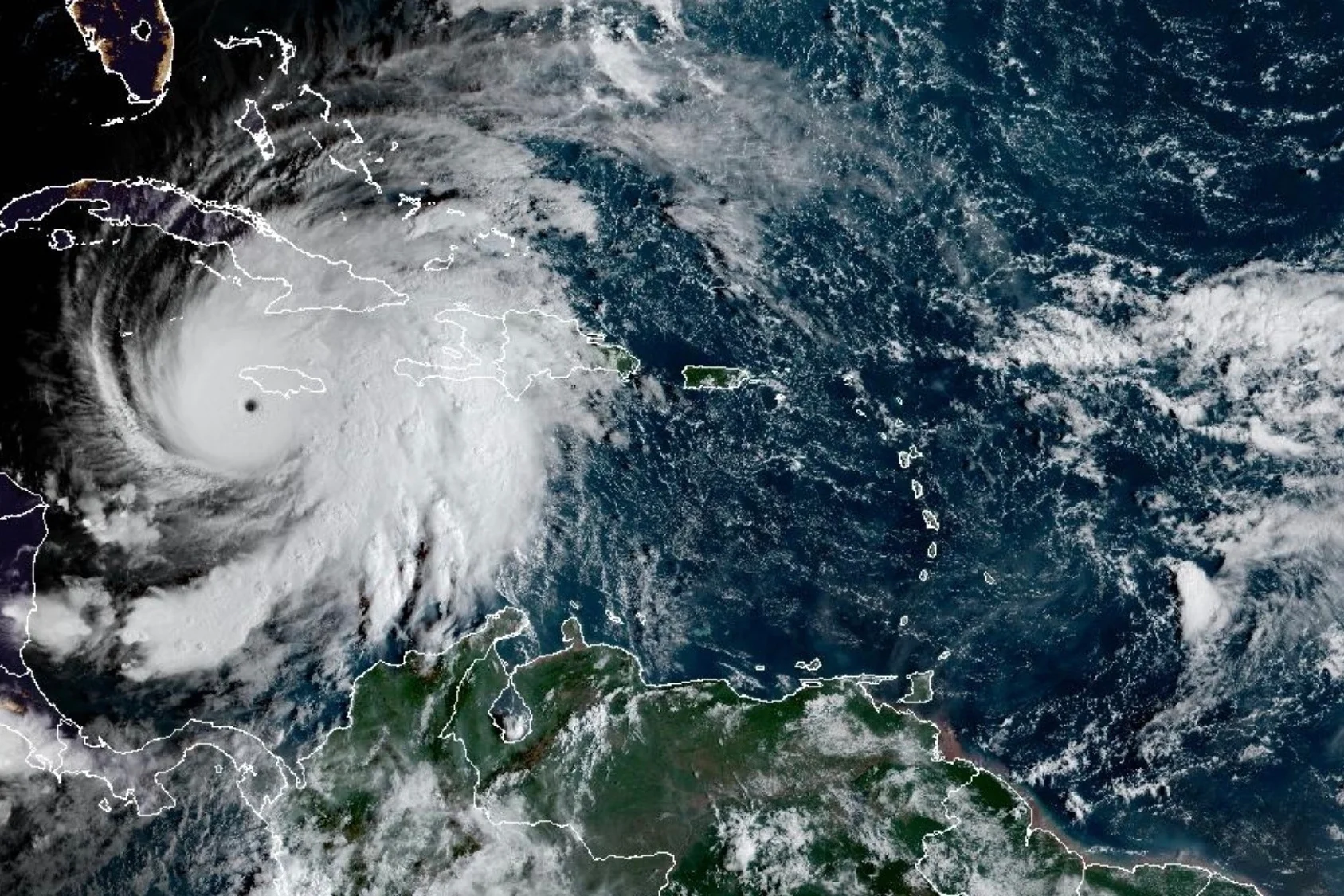
In the parish of Westmoreland, as in many rural parts of Jamaica, the physical and social landscapes are underpinned by three interlocking realities: land held by the state (crown lands), a high prevalence of modest wooden-housing, and communities with limited prospects for formal property ownership. These factors by themselves affect stability, wealth accumulation and resilience. But when Hurricane Melissa, the most powerful storm ever to strike Jamaica, landed on October 28, 2025, it exposed and magnified these vulnerabilities in a devastating way.
In Westmoreland and neighboring parishes the destruction was not just about wind and rain; it was the collapse of structural security. The inability to own or upgrade land and homes meant many people were especially exposed.
What Are Crown Lands?
Crown lands are parcels owned by the Government of Jamaica, managed by the National Land Agency (NLA). They are often former plantation or state-held properties that, over time, became home to families who settled, farmed, and built communities, sometimes with permission, sometimes without.
But living on crown land carries a heavy caveat: no permanent structures are allowed without approval. Concrete homes, extensions, or even improvements can be denied or demolished if they violate the terms of occupation. For many, this means living in wooden houses: easy to build, easier to repair, but never truly secure.
The Poverty of Impermanence
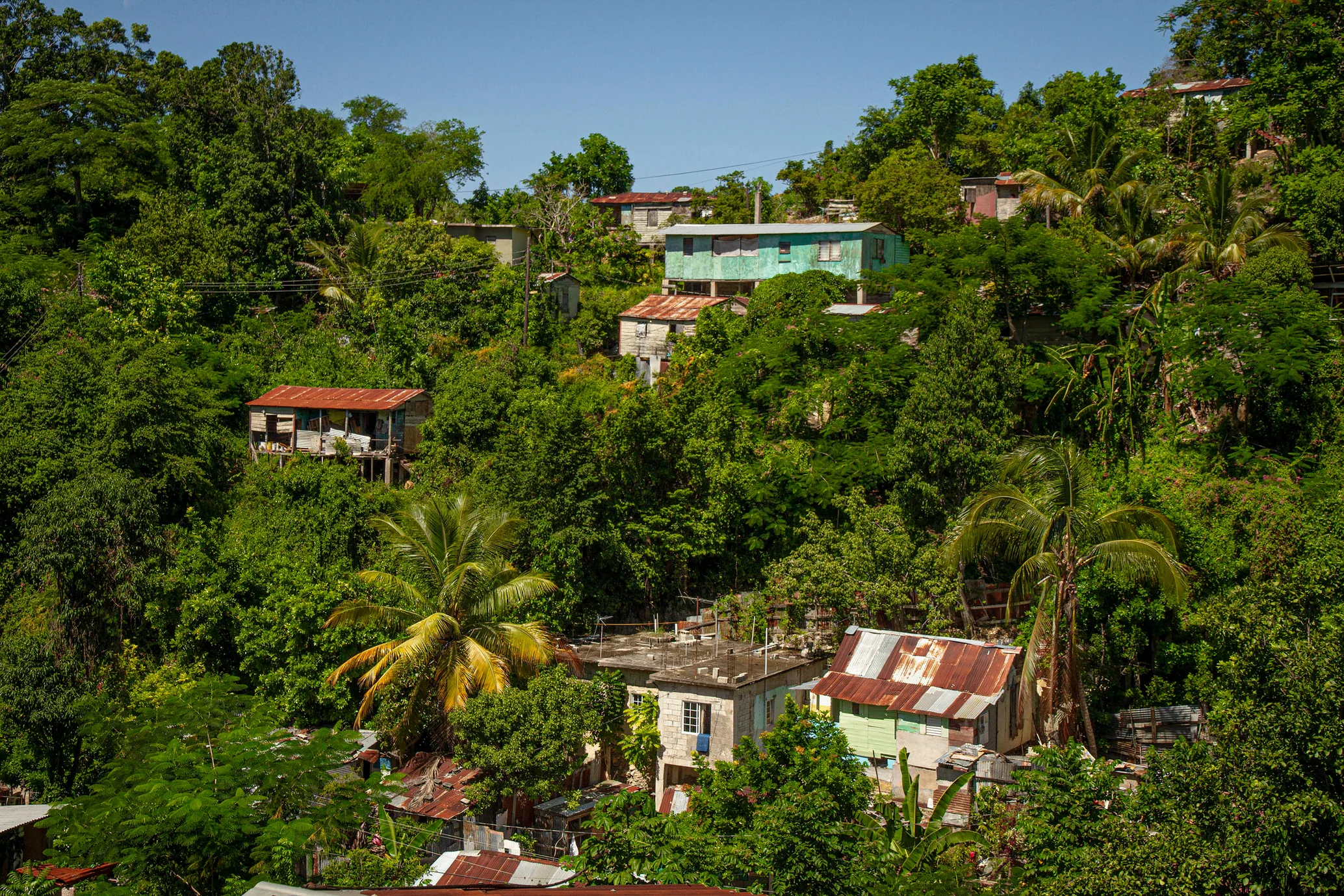
In rural parishes like Westmoreland, wooden homes make up a significant portion of the housing stock. This is unofficially believed to exceed 40 percent in some communities. These are not just aesthetic choices. They are the result of circumstance: limited access to financing, no land title for collateral, and decades of inherited tenancy.
To understand why so many Jamaicans remain trapped in poverty, you must look at the ground beneath their feet. Without legal title, families cannot borrow to build. Without secure tenure, they cannot invest in stronger homes. And without permanent housing, they remain one storm away from disaster. The effect is circular and creates a system that unintentionally keeps people poor.
When Melissa Arrived
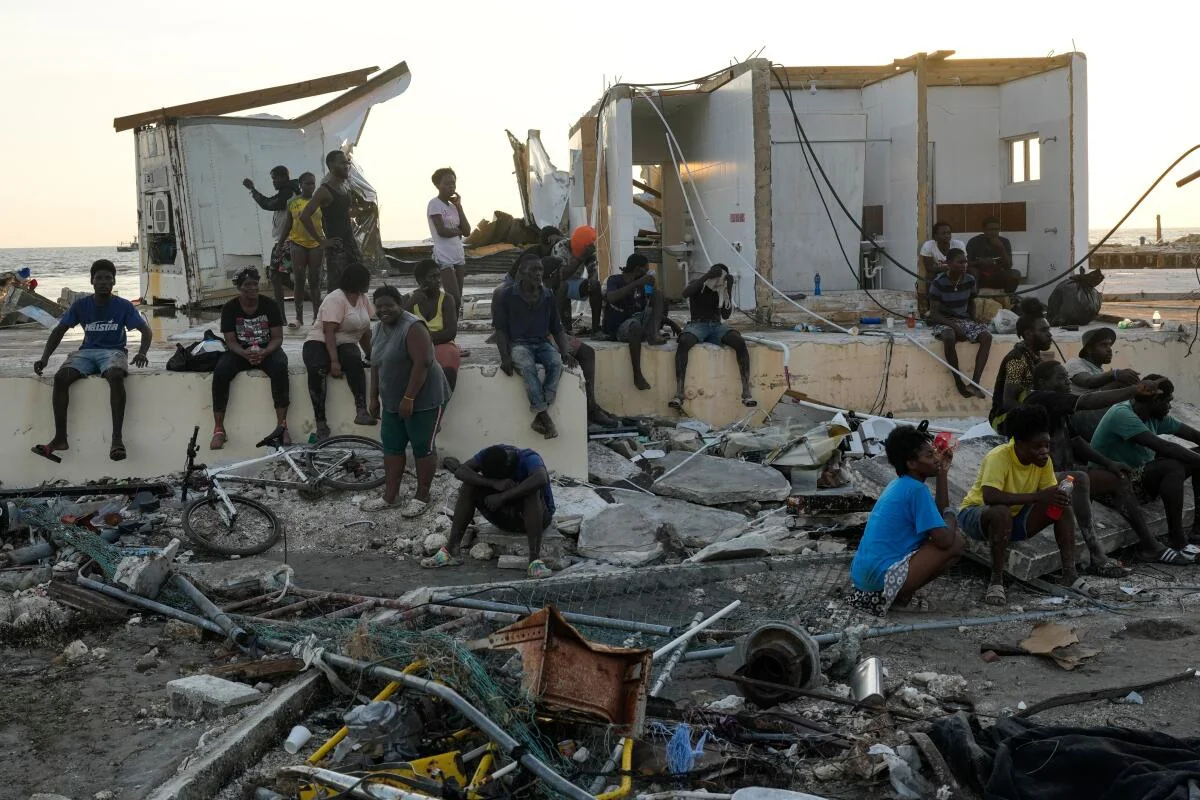
Then came the strongest storm ever recorded to hit Jamaica, Hurricane Melissa. With winds exceeding 160 miles per hour, she tore across the Western side of Jamaica like an angry obeah woman. Whole rows of wooden houses collapsed in seconds. Roofs were stripped, walls splintered, and lives scattered in the wind.
Those living on crown land faced a particularly cruel reality. Many had no insurance, no title, and no recourse. Their homes were gone, but rebuilding, even on the same spot, might violate the same “no permanent structure” clause that kept them vulnerable in the first place.
A Deeper Cost
Beyond the physical loss, Melissa exposed the socio-economic fracture lines that run through rural Jamaica: asset insecurity (without legal ownership, homes cannot be used as collateral or inherited with confidence, cutting off generational wealth), limited disaster recovery (families without title often fall outside formal aid systems), community displacement (informal settlements face slow rebuilding because approval processes can take years), and psychological toll (the constant uncertainty deepens anxiety and dependence).
Yet amid it all, something remarkable persisted: community. Neighbors cooked together, cleared fallen trees, and shared whatever supplies they could find. Classrooms reopened under tarpaulin roofs, and church halls became shelters and gathering places.