
When Hurricane Melissa struck Jamaica in late 2025 many relief organizations scrambled to respond. Food For The Poor was able to act immediately because its presence on the island is long established and its systems were already in place. More than four decades of direct involvement in Jamaican communities meant that the organization could move quickly, consistently and at scale.
Built-In Logistics, History, and Hope for Jamaica's Long Road Back
A LONG PARTNERSHIP WITH JAMAICA
Food For The Poor began serving Jamaica in 1982. One year later in June 1983 the charity was formally organized within the country. What began as a modest operation has grown into one of Jamaica’s largest charitable organizations, with a permanent warehouse and office complex in Spanish Town located at a key intersection that connects five major roadways. This positioning gives the organization national reach. Over the years Food For The Poor has built hundreds of homes, supported schools, expanded access to healthcare, invested in water and sanitation and responded to repeated natural disasters across the island.
When Melissa made landfall Food For The Poor did not need to create a response structure. It already had warehouses stocked, transportation routes mapped, and communication channels open through partner churches and community organizations. Its history in Jamaica allowed it to deliver relief rather than build a system while under pressure.
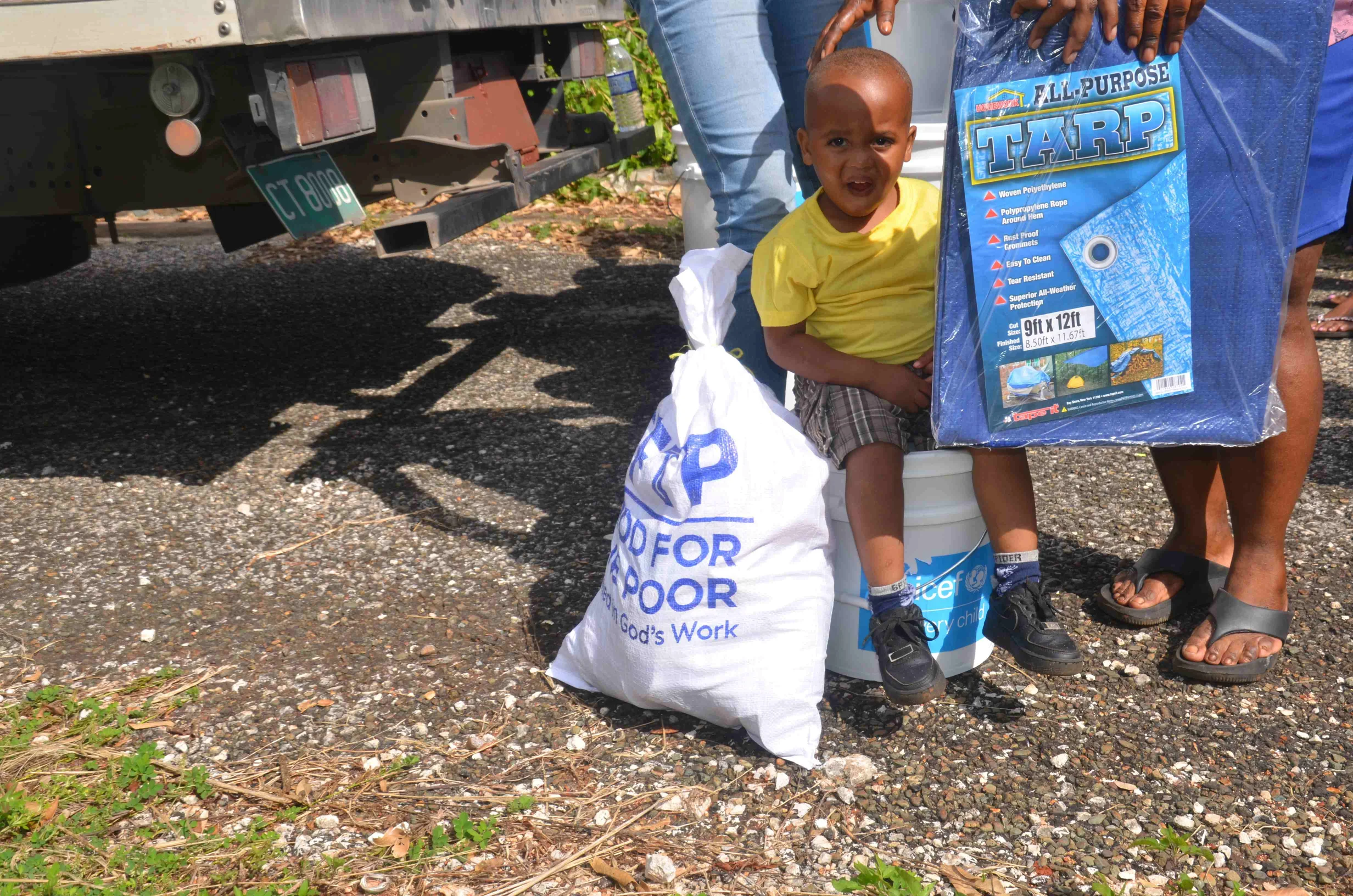
With a network of more than one thousand partner churches and community institutions Food For The Poor was able to distribute emergency supplies within days of the storm. Food, medical kits, water, tarps, hygiene bundles and building materials were moved from Spanish Town into affected regions and then into the hands of families who needed them most.
Areas left isolated by road damage were reached as soon as waterways cleared or when alternate delivery options became available. Because the organization already had a foundation on the island relief could continue even where infrastructure struggled.
As the immediate crisis eased Food For The Poor shifted toward recovery. The next phase includes temporary housing support, repairs for schools and medical facilities, and renewed focus on long term development such as water systems, agriculture programs and community restoration. The transition from emergency relief to rebuilding is possible because the organization’s work in Jamaica did not begin with the storm and will not end when public attention fades.
More Than An Emergency Response
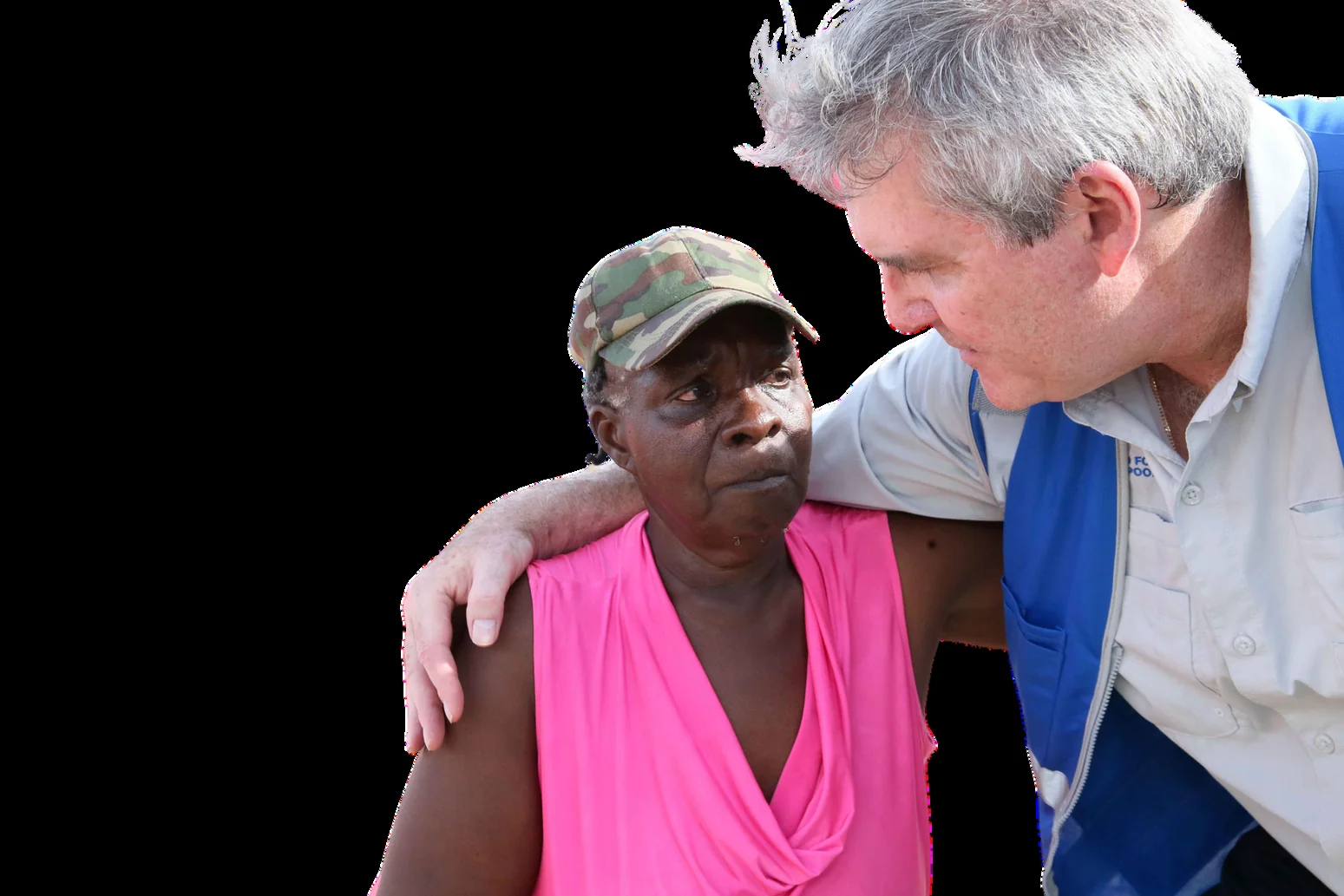
Food For The Poor does not work alone. Its strength comes from working with churches, schools, clinics and community groups that already understand local needs. These partnerships make it possible to reach vulnerable areas quickly including rural districts that are often overlooked after disasters.
Because electricity, communication and road networks were disrupted during and after the storm, community based distribution proved essential. Food For The Poor’s model is built on shared responsibility rather than outside intervention which allows help to move efficiently and respectfully.
Decades of work in housing, education, agriculture and healthcare mean that Food For The Poor is positioned to support both recovery and development. Relief is immediate but long term stability is the goal.
When the first wave of relief slows and the headlines move on, Food For The Poor will remain in Jamaica as it always has. Its programs do not disappear once tents come down or water recedes. Homes built, clinics restored and schools reopened continue to serve families for generations. In many communities this presence is a lifeline.
Melissa created loss and uncertainty across the island but organizations like Food For The Poor anchor the recovery. Their long history, trusted partnerships and readiness to act offer something more powerful than emergency response. They offer continuity, stability and hope.
For those who wish to support Jamaica in rebuilding, Food For The Poor provides a channel that is proven, structured and grounded in the communities it serves. Support is not only for survival. It is an investment in Jamaica’s future. It builds roots, restores dignity and helps the island rise again.