 Advertisement
The Coconut: Jamaica's Tree of Life
By HSJ Staff · · 7 min read
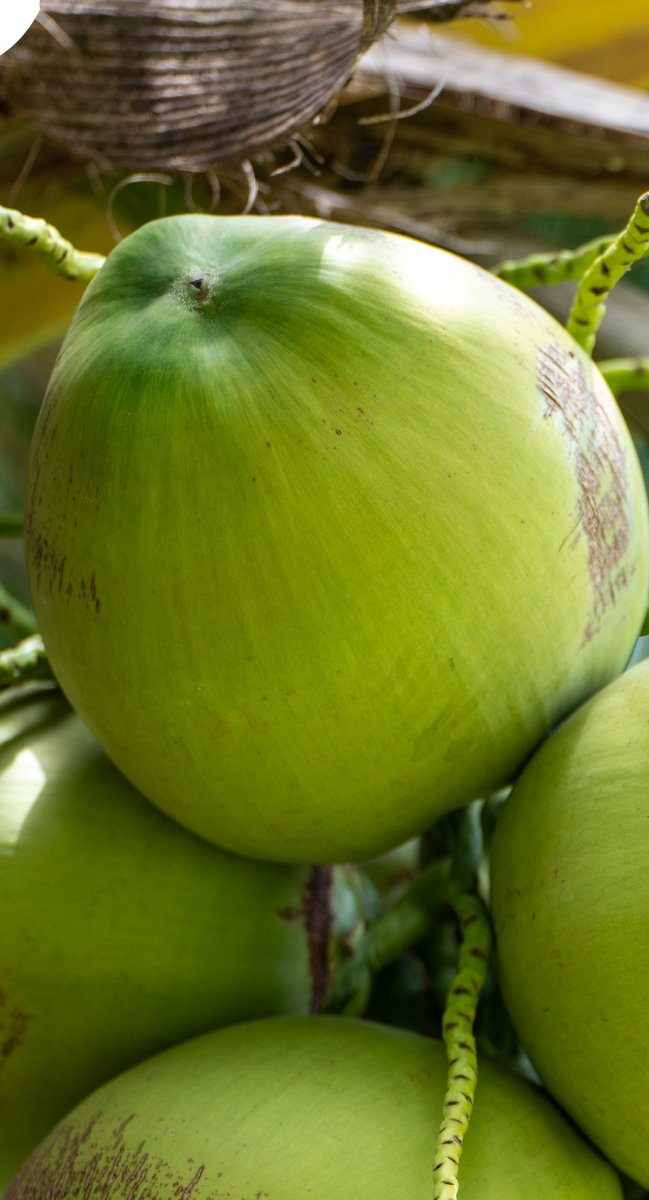
Coconuts and Jamaica: A Cultural Constant.
Coconuts are deeply rooted in Jamaican life, growing wild along coastlines and thriving in the island's tropical climate. Whether they're sipped on a beach, simmered in a Sunday stew, or infused into a luxurious spa treatment, coconuts embody the fusion of nature and tradition. For generations, Jamaicans have made full use of the coconut—not just for food and drink, but for tools, medicine, crafts, and commerce.
In rural communities, the coconut tree is often referred to as the "tree of life." Families use every part: leaves for thatching, husks for kindling or rope, shells for utensils, and the fruit itself for sustenance. In recent years, artisanal coconut products—from handmade oils to crafts and skincare—have added value to local economies and provided sustainable livelihood opportunities.

HEALTH BENEFITS OF COCONUT.
Heart Health: medium-chain triglycerides (MCTs) in coconut oil may support better cholesterol balance when consumed in moderation. Hydration: coconut water is naturally rich in electrolytes, making it an ideal rehydration drink. Digestive Health: coconut meat contains dietary fiber that promotes healthy digestion. Immunity Boost: lauric acid in coconut oil has antibacterial and antiviral properties. Skin & Hair Care: coconut oil is used to soothe dry skin, condition hair, and treat minor wounds or inflammation. Natural Energy: MCTs in coconut oil are easily converted into energy, making it a popular choice for fitness and wellness routines.
COCONUT IN ITS MANY FORMS.
Coconut Water: the clear liquid inside young, green coconuts is nature's sports drink—refreshing, lightly sweet, and packed with electrolytes like potassium and magnesium. It's perfect for hydration on a hot day or after physical activity. Vendors islandwide serve it fresh—sometimes even chilled, and often with the soft jelly scooped out afterward.
Coconut Jelly (Young Coconut Meat): soft and tender, this early-stage coconut meat is a delicacy. Rich in healthy fats and subtly sweet, it's often enjoyed straight from the shell with a spoon crafted from its husk.
Mature Coconut Meat: as coconuts age, the meat becomes firmer and is grated or chopped for use in both savory and sweet dishes. It's a key ingredient in Jamaican classics like rice and peas, coconut rundown, and beloved desserts like gizzada and coconut drops.
Coconut Milk & Cream: made from pressed grated coconut, these rich liquids are staples in the Jamaican kitchen. Coconut milk adds depth and creaminess to soups, stews, curries, and sauces, while the thicker cream is used in desserts or to enrich traditional recipes.
Coconut Oil: extracted from the dried meat, coconut oil is valued for both culinary and cosmetic uses. Jamaicans use it in cooking, hair care, skin moisturization, and even traditional remedies. Virgin coconut oil has gained global recognition for its health benefits and natural healing properties.
Dried Coconut (Copra): often used in commercial oil production, copra is also a base ingredient in soaps, candles, lotions, and balms—many of which are handmade in Jamaica and sold in local markets and export shops.
Coconut Husk: the fibrous outer layer of the coconut is traditionally used as a natural scrubber in Jamaican households. Beyond that, the fibers—called coir—are processed into eco-friendly products like coir mats and rugs, bristled brushes, ropes and twine, and erosion control netting for agriculture and landscaping.
Coconut Shell: the hard shell of the coconut is far from waste—it's creatively repurposed for charcoal (widely used in Jamaican cooking and grilling), bowls and utensils, buttons, jewelry, and decorative crafts, musical instruments like maracas, and fuel in rural areas.
COCONUT SHELL AS FUEL.
Hard and dense, the shell burns slowly and generates a high, steady heat. It's often used as a natural charcoal alternative for cooking over open flames or in traditional "coal pot" stoves. Some small-scale producers also turn coconut shells into charcoal briquettes, which are efficient, eco-friendly, and smoke less. The fibrous husk lights easily and burns quickly, making it ideal for starting fires. Rural households often dry the husk in the sun and use it to ignite cooking fires, especially for outdoor stoves or baking ovens (like those used for making traditional bammy or roast breadfruit).
This method is sustainable, as it uses what would otherwise be discarded; low-cost, needing no electricity or processed fuel; and widely practiced in farming and fishing communities, especially where coconuts are abundant.
SUSTAINABILITY BENEFITS OF COCONUT.
Low Waste: nearly every part of the coconut is usable—water, meat, shell, husk, and even the tree's leaves and wood. Biodegradable Byproducts: unlike plastics or synthetic materials, coconut-based items like coir, bowls, and utensils break down naturally. Regenerative Growth: coconut palms thrive in tropical climates like Jamaica's with minimal input, and they regenerate quickly after harvest. Eco-Friendly Products: coir (from husk fiber) is used in erosion control, organic farming, and natural household goods—reducing reliance on synthetic alternatives. Carbon Sequestration: coconut trees, like all plants, absorb CO2 from the atmosphere and support biodiversity.
From the beaches of Negril to the Blue Mountains, coconuts are accessible and abundant across Jamaica. Locals and visitors alike can find them fresh from vendors, in bustling farmers' markets, or in modern packaging at health food stores. Their enduring presence in both local dishes and export markets is a testament to the coconut's unmatched versatility and value.