 Advertisement
Jamaican Sorrel: A Cherished Christmas Tradition
By Angela Chin-Hing · · Holiday Edition · 4 min read
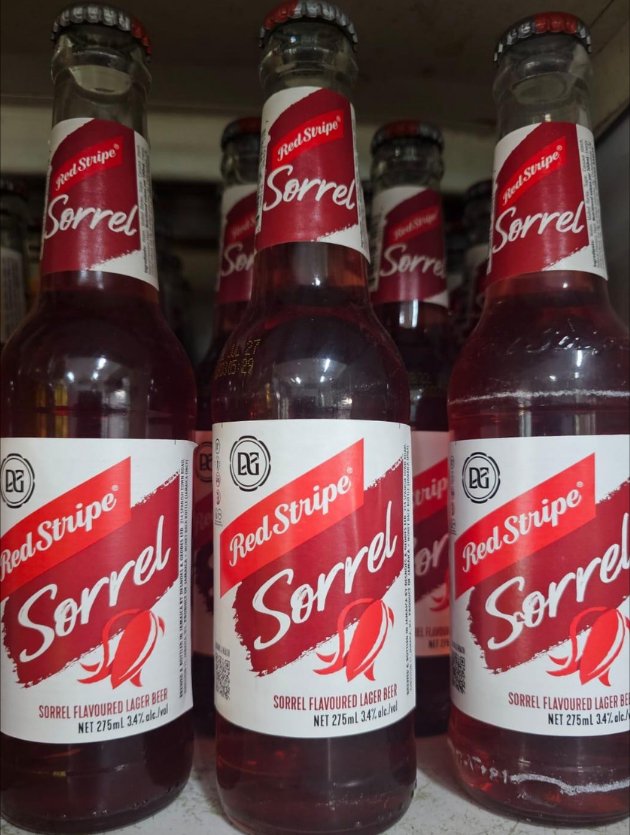
As Christmas approaches in Jamaica, the familiar sights, scents and flavours of the season begin to fill homes across the island. Among the most treasured is sorrel, a vibrant crimson drink infused with fresh ginger, pimento, cloves and other aromatic spices. Served chilled over ice or enjoyed warm on a cool evening, Jamaican sorrel is more than a refreshing beverage; it is a cherished symbol of family, cultural heritage, hospitality and the joy of Christmas.
For generations, the preparation of sorrel has been an important part of the island's Christmas traditions. Families gather to wash and prepare the fresh red calyces, carefully blend their favourite spices and allow the mixture to steep until the flavours develop into the distinctive sweet, tart and spicy drink that Jamaicans eagerly anticipate each December.
THE PLANT BEHIND THE CHRISTMAS DRINK.
Sorrel, scientifically known as Hibiscus sabdariffa and also called roselle, is a tropical plant cultivated for its edible leaves, stems, seeds and fleshy red calyces. Although commonly described as flowers, the deep-red portions harvested for making sorrel drink are technically the calyces, the structures that surround the seed pod after the flower has bloomed. The flavour of sorrel is distinctive: tart, fruity and somewhat reminiscent of cranberries. Its bold taste pairs beautifully with ginger and warm spices, creating the unmistakable flavour that has become synonymous with a Jamaican Christmas.

The plant typically grows to about seven or eight feet tall, producing green foliage, reddish stems and pale-yellow flowers with a dark centre. Once the flowers fade, the fleshy red calyces develop and are harvested for preparing beverages and other products.
On the farm, sorrel is an easy crop to grow. It thrives in tropical climates and is cultivated throughout Jamaica and many other parts of the world. The seeds are sown in trays, then transplanted onto prepared fields from May to July, and the crop is harvested from November to March. Sorrel is photoperiodic, which means it begins to bloom only as the days grow shorter in September and October. So although it may be planted at any time of year, it flowers on nature's own schedule, which is why it is traditionally planted in time for the holiday season.
AFRICAN ROOTS AND A JOURNEY ACROSS THE ATLANTIC.
The story of sorrel extends far beyond Jamaica. The plant is believed to have originated in West and Central Africa, where it has long been valued for its culinary and traditional uses.
The history of sorrel in the Caribbean is also connected to the forced migration of enslaved Africans during the transatlantic slave trade. African people carried extensive knowledge of plants, food preparation and traditional healing practices into the Caribbean, where these traditions developed under new and often difficult circumstances. Sorrel became part of the region's wider culinary heritage, reflecting the resilience and cultural contributions of African communities.
Across parts of West Africa, hibiscus drinks are known as bissap or zobo. In Mexico and other parts of Latin America, the drink is commonly called agua de Jamaica or flor de Jamaica, while in Egypt and other regions of North Africa and the Middle East, it is known as karkade. These drinks share a common botanical connection, although their recipes and cultural significance vary from place to place.
In true keeping with our national motto, "Out of Many, One People," Jamaican sorrel has become a blend of its own, its African roots seasoned with the spices that found a home on our island. Today, the deep-red drink can be appreciated as both a delicious seasonal beverage and a reminder of the enduring influence of African food traditions throughout the Caribbean.
HOW SORREL BECAME A JAMAICAN CHRISTMAS FAVOURITE.
In Jamaica, sorrel is especially associated with Christmas because the plant's calyces are generally harvested around November and December, making them available just as preparations for the festive season begin.
The timing helped establish sorrel as a seasonal favourite. As households prepared Christmas cakes, puddings, traditional meals and other holiday treats, brewing a fresh batch of sorrel became another essential part of the celebration.
For many Jamaican families, making sorrel is a tradition passed down from parents and grandparents. Recipes may be handwritten in old notebooks, remembered by experience or adjusted according to individual taste. Some families prefer a strong ginger flavour, while others add extra pimento, cloves, cinnamon or citrus peel.
The preparation itself often becomes a family activity, with everyone contributing to the washing, boiling, straining, sweetening and bottling. Large batches are frequently prepared ahead of Christmas Day so that the drink has time to develop its rich flavour.
The result is a beverage that brings people together and evokes memories of childhood, family gatherings, Christmas dinners and celebrations with loved ones.
MAKING JAMAICAN SORREL.
Although recipes vary, traditional Jamaican sorrel is generally prepared with fresh or dried red calyces, ginger, pimento and cloves. Some households add cinnamon, orange peel or other spices to create their own distinctive blend.
The process begins with thoroughly washing the sorrel to remove dirt and other impurities. The calyces are then steeped in hot water, often alongside crushed ginger and spices. Some cooks boil the ingredients briefly, while others pour boiling water over them and allow the mixture to steep for several hours or overnight.
Once the liquid has developed its characteristic deep-red colour and rich aroma, it is strained and sweetened to taste. After cooling, it is usually refrigerated and served chilled.
For adults who enjoy an alcoholic version, rum, often Jamaican white overproof or dark rum, may be added. Some families also use red wine, while others prefer a non-alcoholic version that everyone can enjoy.
My favourite way to enjoy sorrel is to blend the fresh calyces and add sugar.
The beauty of Jamaican sorrel lies in its flexibility. There is no single recipe that defines every household. Each family brings its own preferences and memories to the preparation, making the drink a personal expression of tradition.
SORREL AROUND THE CARIBBEAN AND BEYOND.
Although Jamaica has developed its own distinctive Christmas version, sorrel is enjoyed throughout the Caribbean and across the world.
In Trinidad and Tobago, sorrel is also a popular festive drink, often flavoured with spices such as cloves, cinnamon and nutmeg. Other Caribbean communities have their own approaches, reflecting local ingredients, migration histories and culinary influences. In West Africa, bissap and zobo are enjoyed throughout the year, while in Mexico, agua de Jamaica is a familiar refreshing beverage served in homes and restaurants.
The ingredients may differ, but the shared appreciation for the tart, ruby-red infusion connects communities across continents.
A NOTE ON HEALTH.
Sorrel's rich colour comes from anthocyanins and other natural plant compounds that are studied for their antioxidant properties, and the calyces also provide vitamin C. Research has investigated hibiscus preparations for possible effects on blood pressure, with some studies suggesting a modest benefit in adults, although results depend on the preparation and the individual.
A Christmas glass sweetened with sugar or laced with rum is, of course, a different matter, and sorrel is best enjoyed as a festive pleasure rather than a remedy. Anyone taking blood-pressure or other medication, and anyone who is pregnant or breastfeeding, should consult a healthcare professional before using concentrated hibiscus preparations medicinally.
FROM THE FAMILY KITCHEN TO THE STORE SHELF.
Today, sorrel also appears in ready-to-drink beverages, instant mixes, teas, jams, syrups and frozen treats, and chefs have embraced it in cocktails, mocktails, desserts and sauces. Even with these modern options, homemade sorrel remains special to many families because of the care, personal preferences and memories that go into every batch.
PRESERVING A BELOVED JAMAICAN TRADITION.
Jamaican sorrel is much more than a Christmas beverage. It represents the meeting of botanical heritage, African cultural traditions, Caribbean creativity and family customs that have endured across generations.
Its brilliant red colour brightens the Christmas table, while its refreshing tartness and warming spices capture the flavour of the season. Every batch tells a slightly different story, shaped by the people who prepare it and the traditions they choose to preserve.
Whether prepared according to a grandmother's recipe, purchased as a convenient bottled beverage or reinvented in a modern cocktail, sorrel continues to hold its place in the heart of a Jamaican Christmas.
When the ginger is crushed, the spices are added and the deep-red liquid begins to steep, the familiar aroma signals that the festive season has truly arrived. For many Jamaicans, Christmas would simply not be complete without a glass of sorrel.
Sorrel is not just a drink; it is a taste of home, a celebration of heritage and an enduring part of the Jamaican Christmas spirit.
ANGELA'S SORREL DRINK.
A family recipe. Makes about 2 litres. Ingredients: 1 lb fresh sorrel, seed pods removed; 1 tbsp fresh ginger, grated or crushed; 1 piece dried orange peel; 10 whole pimento berries (allspice); 6 whole cloves; 2 litres boiling water; brown sugar, to taste; white rum or red wine, to taste (optional).
Method: 1. Combine the sorrel, ginger, orange peel, pimento and cloves in a large container or pot. 2. Pour the boiling water over the mixture, cover, and leave to steep in a cool place for 24 hours. Alternatively, bring it to a gentle simmer for 15 to 20 minutes, then steep overnight. 3. Strain through a fine mesh sieve. 4. Stir in the brown sugar until it dissolves, then add rum or wine if using. 5. Chill and serve.
ANGELA'S SORREL SAUCE.
A family recipe. Ingredients: 2 lbs fresh sorrel, seed pods removed; 1 tsp grated ginger; 2 cups granulated sugar; 2 cups water; juice of 2 limes; 2 tbsp cornstarch, mixed with a little cold water.
Method: 1. Blend the sorrel with the water. Strain if you prefer a smoother sauce. 2. Combine the sorrel mixture, ginger, sugar and lime juice in a pot. Bring to a boil, then reduce over medium heat for about 10 minutes. 3. Stir in the cornstarch mixture and cook until thickened. 4. Keeps for up to one week in the refrigerator. 5. Delicious with Christmas ham.
Written by Angela Chin-Hing.