
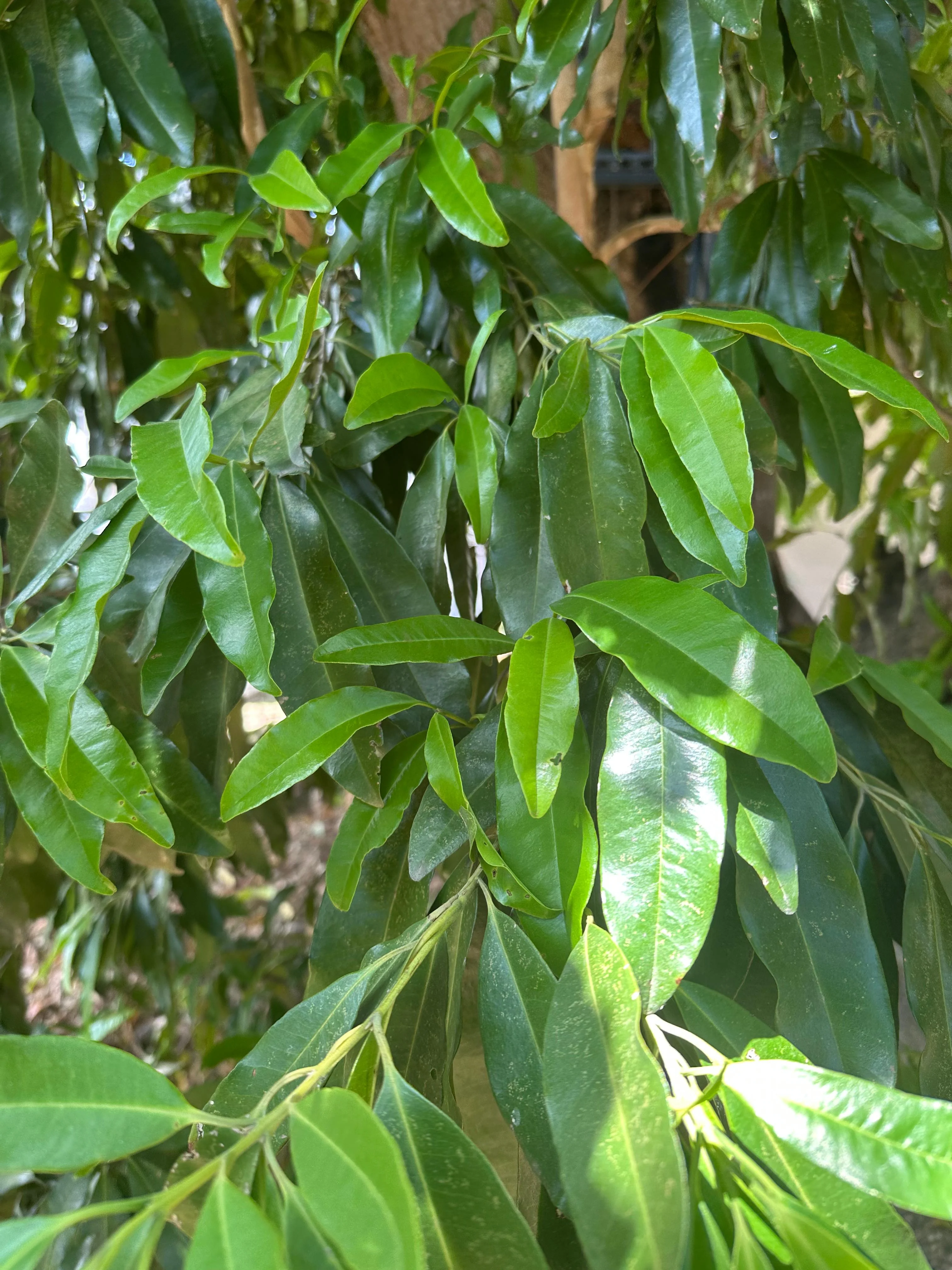
In Jamaica, spices have always played an important role in the culinary arts—from adding flavor, curing, and preserving food, to adding color and contributing to folk medicine. Pimento is considered the king of spices for Jamaicans. It is used in both savory and sweet dishes and is one of the main ingredients in jerk. In fact, every part of the tree is used. The berries may be used dried, ripe, or ground; meat or fish is roasted on pimento wood; and the leaves are used in both the seasoning and cooking phases.
The name pimento originates from the Spanish word pimienta, meaning pepper or peppercorn. It is a species in the Myrtaceae family and belongs to the same genus as Pimenta racemosa, also known as West Indian Bay, whose leaves are used to make Bay Rum.
Pimento is commonly known as “allspice”—a name given because it carries the combined aroma of several spices, including clove, nutmeg, cinnamon, and pepper. Around 1621, the British began calling it “allspice” due to this unique scent.
Health Benefits
Pimento also offers potential health benefits. It may help with indigestion, muscle aches, and even reduce the risk of chronic diseases due to its antioxidant properties. It’s used in paste form to relieve toothaches and as a mouthwash to freshen breath. Jamaicans commonly drink hot pimento tea to treat colds, menstrual cramps (dysmenorrhea), and stomach aches (dyspepsia). Many of the compounds in allspice are currently being studied for their potential effects on inflammation, hypertension, and cancer.
A True Jamaican Heritage
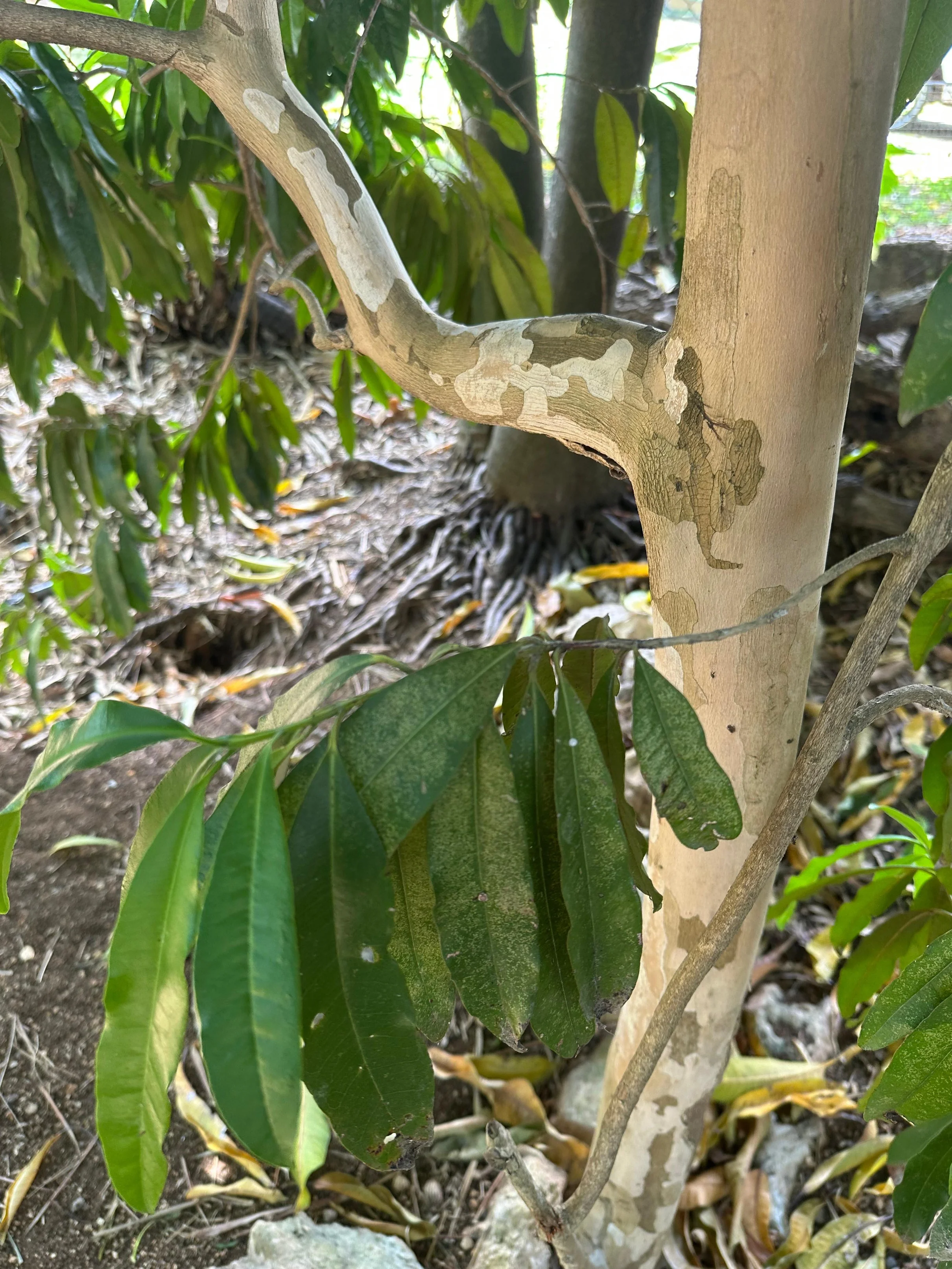
The pimento tree is indigenous to the Caribbean and was found growing wild in Jamaica by Spanish explorers in the 1500s, who mistook it for pepper. At the time, spices were as valuable as gold. The Spanish attempted to cultivate pimento in other colonies without much success.
Although pimento grows in other countries, Jamaica has the longest continuous history of commercial production since the plant was first identified. Jamaican pimento is widely regarded as the best in the world. Jamaica exports dried pimento berries, as well as essential oils made from the berries and leaves, which are used internationally in the meat processing, confectionery, pharmaceutical, and cosmetic industries.
Long before the Spanish arrived, the indigenous Taíno people used pimento berries and wood for both cooking and medicinal purposes, especially for seasoning and preserving meat and fish.
The Spice Trade & Cultivation
During the 16th and 17th centuries, Asian spices like black pepper and clove dominated the European spice trade. However, European demand for spices remained high, and allspice eventually entered the global market as a valued New World commodity. The earliest recorded use of pimento in London dates to 1601. By 1693, it was marketed as “sweet Jamaican pepper,” and by 1721, it was included in the London Pharmacopoeia.
What many didn’t know was that in its native Jamaican environment, the pimento tree grew effortlessly—so much so that it was often referred to as the “Cinderella” of Jamaican agriculture. It thrived on neglect. After emancipation, many freed Jamaicans settled on marginal hillside lands unsuitable for other crops and continued to grow pimento. The tree required little care and was easily propagated by birds, bats, and natural reseeding.
Pimento trees are dioecious, meaning there are separate male and female trees. Only the female trees bear fruit, while the male trees are used for their wood and leaves. The berries are harvested while still green. Pimento is something of a “Goldilocks” tree—easy to grow, but only under just-right conditions. It thrives in the tropics at elevations above 1,000 feet, but at higher elevations is prone to rust disease. It prefers free-draining soils derived from limestone, requires around 40 inches of annual rainfall, and about 60% humidity.
While allspice is generally considered safe in small amounts, moderation is advised. Scientific studies confirm the antioxidant potential of pimento oils, with high radical scavenging activities. These results suggest that pimento essential oils have antioxidant activity comparable to pure eugenol, offering both flavor and potential health benefits.