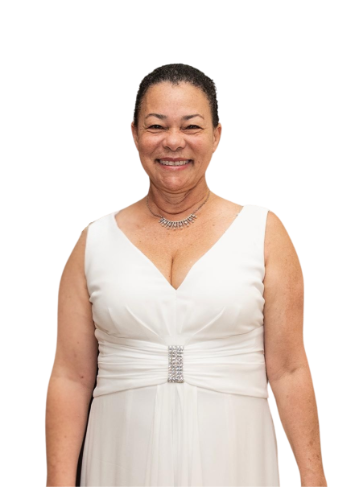
For over half a century, the Watson family has helped shape the visual narrative of Jamaica, not only through mastery of form, but through a deep commitment to cultural truth. From Barrington Watson’s bold canvases to the sculptural power of his children Basil and Raymond, and Jan, and now to Basil’s son Kai’s thoughtful portraiture. The Watson family’s legacy is one of cultural stewardship through art. Three generations of artistry have created a living archive of Jamaica’s identity and struggle.
At the center of this legacy today is Basil Watson, whose works extend far beyond Jamaica’s borders, placing Caribbean voices within global spaces of remembrance and resistance.
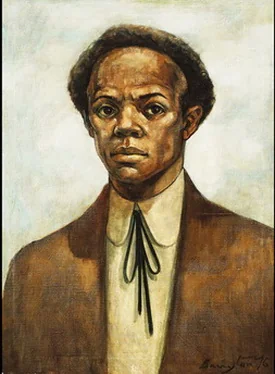
Basil Watson: Sculpting Justice, Memory, and Movement
Known for his bronze monuments of Jamaican cultural figures like Marcus Garvey, Louise Bennett-Coverley, Merlene Ottey, and Usain Bolt. Basil Watson is one of the Caribbean’s most internationally recognized sculptors. His figures often appear mid-movement, full of tension and grace, embodying the energy and endurance of the Jamaican people.
In the United States, Watson has created major public monuments honoring global civil rights leaders. In Atlanta, Georgia, his 12-foot statue of Dr. Martin Luther King Jr. stands in stride, a symbol of forward motion and moral clarity.
In August 2024, Watson unveiled a statue of Congressman John Lewis in Decatur, Georgia, on the site of a former Confederate monument. The sculpture, titled Empathy, depicts Lewis with his hands folded over his heart, a posture chosen to reflect Lewis’s deep compassion and commitment to nonviolence. “When thinking about the late Congressman John Lewis,” Watson told WABE, “he recalls an image of Lewis with his hands over his heart.”
“It was important to show his humanity,” Watson added, “to show love, not just strength. Because love is strength.”
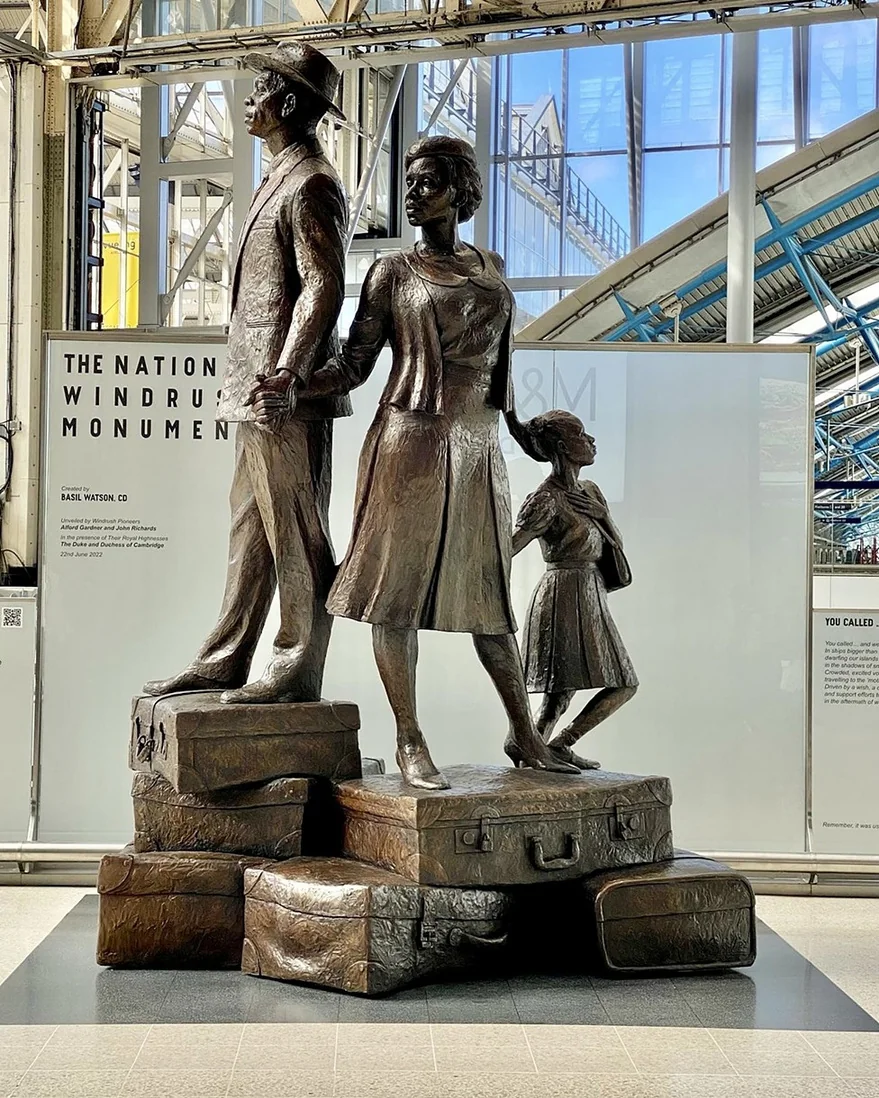
But perhaps no work better captures Basil Watson’s global reach than the National Windrush Monument, unveiled in 2022 at London’s Waterloo Station. Commissioned by the UK government, the monument honors the Windrush Generation: Caribbean immigrants who helped rebuild Britain after World War II.
The sculpture features a Caribbean family dressed in 1950s-style clothing, stepping off a ship with a suitcase. It is dignified, determined, and deliberate, standing tall in one of Europe’s busiest transport hubs. At the unveiling, Watson said:
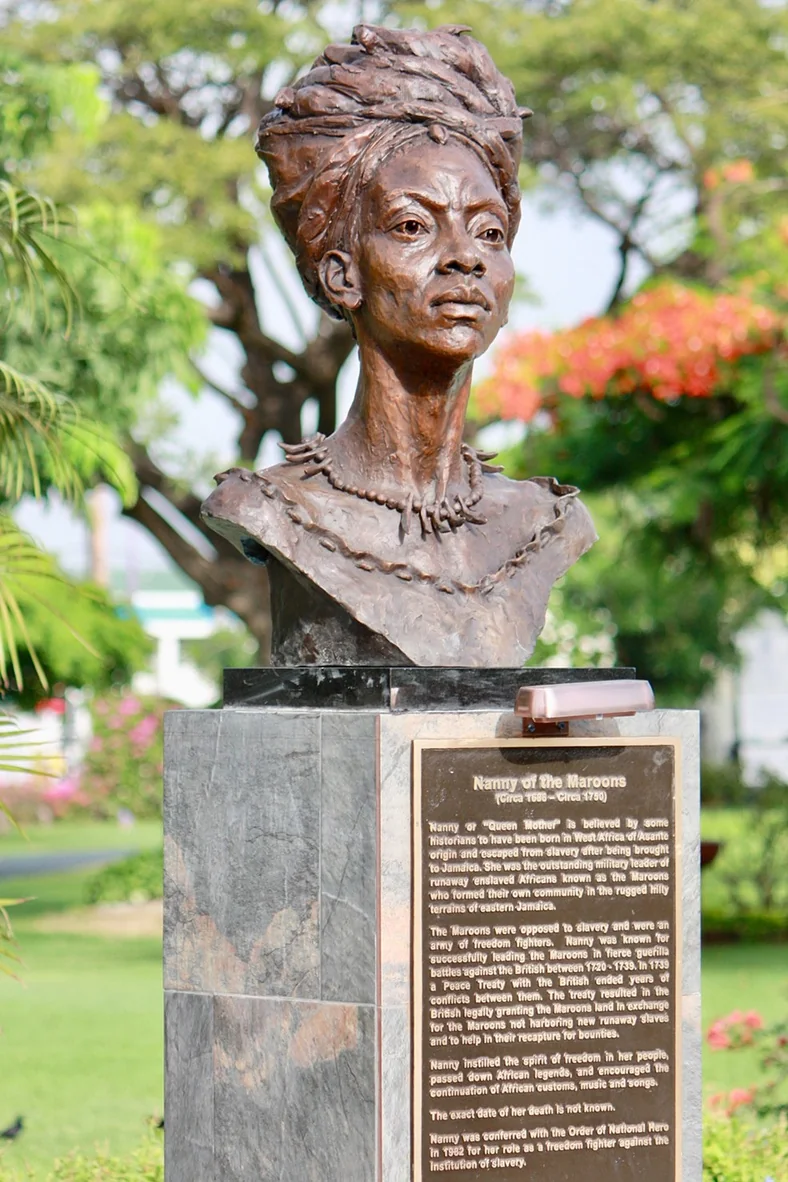
In every work, Watson brings not only technical brilliance, but a deep understanding of cultural responsibility. He doesn’t just sculpt likenesses; he gives form to memory.
Barrington Watson: The Foundation of the Legacy
Basil’s artistic vision was shaped by his father, the late Barrington Watson, born in Lucea, Hanover in 1931. Barrington was the first Black student admitted to the Royal College of Art in London and later trained in Germany and Spain. He returned to Jamaica in the 1960s and became a key figure in defining post-independence Jamaican art.
His paintings, like Mother and Child and Conversation, depicted Jamaican people with intimacy and dignity, elevating everyday life to the level of fine art. He was a founding member of the Contemporary Jamaican Artists’ Association and the first Director of Studies at the Jamaica School of Art.
Barrington’s legacy goes beyond technique; he gave Jamaican artists a visual language rooted in pride, identity, and defiance.
Raymond Watson: Sculpting the Diaspora
Raymond Watson’s work powerfully explores themes of memory, identity, and global Black resistance. One of his most recognized pieces is the Soweto Uprising Memorial in Brixton, London, which commemorates the 1976 student protests in South Africa. The monument holds historical significance as the first public sculpture by a Black artist in the city, and it remains a compelling symbol of solidarity across African and Caribbean diasporas.
Raymond’s practice includes large-scale public installations, cultural monuments, and educational contributions. His work often focuses on the intersection of art, history, and collective healing, with pieces that challenge audiences to engage with the past while imagining more just futures.
As both an artist and educator, Raymond has helped shape the landscape of Caribbean sculpture and continues to contribute meaningfully to conversations about diaspora, remembrance, and resilience—at home and abroad.
Jan Watson Altenhofen: Art as Education and Empowerment
Jan Watson Altenhofen, daughter of Barrington Watson and sister to Basil and Raymond, has built a distinguished career as an artist and art educator in Jamaica and Europe. A painter and printmaker trained in Jamaica, Germany, France, and the U.K., Jan earned numerous awards, including a full DAAD scholarship in Germany and national medals for fine art in Jamaica.
Jan has worked with students of all ages and abilities, including youth with intellectual disabilities, blending creative expression with empowerment. In addition to her own artistic practice, Jan has dedicated decades to teaching and mentoring across institutions such as the Edna Manley College, UWI Creative Arts Centre, and Mico University College. Jan’s work as both an artist and educator reflects the Watson legacy’s commitment to preserving Jamaican culture through creation, education, and community engagement.
Kai Watson: The Next Chapter
The family’s creative legacy continues with Kai Watson, Basil’s son. A trained figurative painter, Kai studied at Ohio Wesleyan University and the Art Institute of Chicago. In 2017, he was commissioned to paint the official portraits of three Jamaican Prime Ministers: Bruce Golding, Portia Simpson-Miller, and Andrew Holness, which now hang in the Office of the Prime Minister.
Kai’s work is grounded in the classical tradition but carries a contemporary sensitivity. His paintings honor Jamaican leadership while contributing to a modern vision of national identity.
A Family Etched in Jamaica’s Cultural DNA
More than a family of artists, the Watsons are cultural custodians. Their works are found in state buildings, international museums, and public spaces, but their most lasting impact is on the national psyche. They’ve shown that art is not peripheral to activism; it is activism. It shapes identity, challenges erasure, and builds bridges between generations.
From Barrington’s fearless portrayals of Black beauty, to Jan’s devotion to arts education, Raymond’s memorials of resistance, Basil’s towering tributes to justice, and Kai’s introspective renderings of Jamaican leadership, the Watson legacy reminds us that to tell Jamaica’s story is to honor both the pain and the power of our past.