In the months following Hurricane Melissa, Jamaica's recovery has been marked not only by progress, but by speed. Essential services were restored, tourism reopened, and communities found their footing sooner than many expected. That pace was not accidental. It was powered by people.
People on the island.
People across the diaspora.
People around the world who felt connected to Jamaica's culture, spirit, and global influence.
What unfolded after the storm was a layered response that moved quickly across borders. Large scale institutional funding was matched by small community gatherings, benefit concerts, church collections, and hands on humanitarian work. Together, these efforts helped Jamaica move from disruption to action in a matter of months.
A Global Response That Moved Quickly
In the immediate aftermath of Hurricane Melissa, relief efforts shifted rapidly to essential needs including food, water, hygiene supplies, temporary shelter, and medical care. Government response systems were activated early, ensuring that donations and assistance were coordinated and directed efficiently. Concurrently, organizations such as Food For The Poor drew on pre positioned supplies and established Jamaica based logistics networks to move aid into affected communities with speed.
Because these systems were already in place, aid moved quickly into affected communities. This early momentum mattered. It reduced gaps, stabilized households, and allowed recovery efforts to shift from emergency response to restoration without delay.
When Culture Accelerated Action
Jamaica's cultural reach played a direct role in the pace of recovery. Music, language, and identity created instant recognition and urgency across borders. Visible gestures of support reinforced that connection, including landmarks such as the Hard Rock Hotel guitar illuminated in Jamaica's national colors in solidarity, signaling to the world that the island was not standing alone.
Benefit concerts and cultural events were organized within weeks in cities with strong Caribbean communities. These gatherings raised funds, but they also did something equally important. They kept Jamaica visible. They kept attention focused. And they encouraged continued giving rather than a one time response.
Large events drew international awareness, while smaller community concerts and fundraisers moved resources quickly through trusted local channels. This combination of scale and proximity helped sustain relief efforts beyond the first wave.

Benefit concerts across the diaspora raised funds and kept Jamaica visible in the global consciousness
When Influence Showed Up on the Ground
Some of Jamaica's most recognized global figures reinforced this momentum through presence.
International recording artist Sean Paul was visible in affected communities, helping to distribute food and essential supplies while amplifying urgent needs. His involvement helped keep focus on families at the center of recovery.
World renowned athlete Usain Bolt also spent time in communities supporting food distribution efforts and offering encouragement, particularly to young people. These moments mattered. They lifted morale and reinforced confidence at a time when psychological recovery was as important as physical rebuilding.
Visibility did not replace systems. It strengthened them. It reminded communities that help was moving and that recovery was already underway.
The Quiet Infrastructure of Care
Behind the scenes, smaller nongovernmental organizations, community groups, churches, and partners such as VITAS Healthcare helped sustain the pace of recovery.
Across parishes, churches opened their doors as distribution points, shelters, and coordination hubs. Their long standing relationships allowed aid to reach vulnerable residents quickly, often before larger systems fully scaled up.
Small NGOs and community based groups leveraged modest resources with deep local knowledge. Volunteers were mobilized. Overseas supporters were engaged. Supplies were directed straight to households. Organizations including Friends of Good Shepherd International also supported community outreach efforts, reinforcing care for families navigating both medical and practical needs during the recovery period. These efforts filled critical gaps and prevented delays during the most fragile phase of recovery.
Faith based groups within the diaspora mirrored this work abroad, organizing collections and fundraising that moved efficiently through trusted partners on the ground. Speed, in this context, came from trust.
Churches across Jamaica opened their doors as distribution points, shelters, and coordination hubs
Why Jamaica Moved Faster
Jamaica's recovery benefited from a rare alignment of global reach and local credibility.
Millions of people of Jamaican heritage live abroad and remain closely connected through family, remittances, churches, alumni networks, and cultural institutions. When Hurricane Melissa struck, these networks did not need to be built. They already existed.
Jamaica's culture also travels easily. When calls for support emerged, people recognized them immediately. Music, identity, and shared history transformed relief into responsibility.
This combination allowed resources to move faster, attention to stay focused, and confidence to return sooner.
Speed as a Form of Resilience
The most effective responses did more than deliver supplies. They shortened disruption. They helped workers return to jobs. They supported the reopening of schools, businesses, and tourism. They allowed recovery to feel possible early rather than distant.
In the story of Hurricane Melissa, the world's response became a catalyst for speed. It turned gratitude into action and connection into coordination.
Jamaica's recovery did not happen overnight, and work continues in some communities. But the momentum is undeniable.
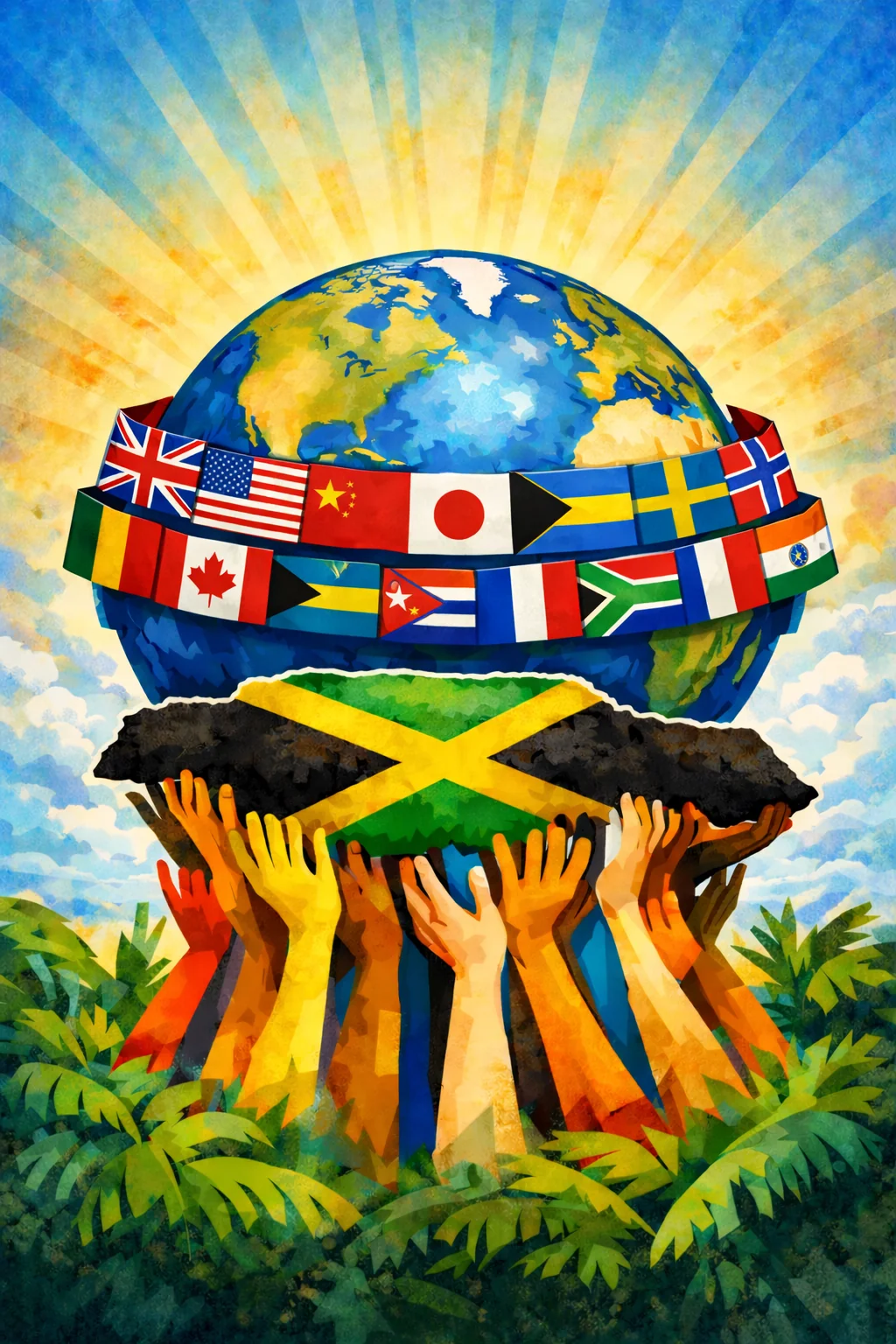
The island moved forward quickly because it did not move alone.