 Advertisement
Protect Your Property
By Tatiana Answer · · Holiday Edition · 5 min read
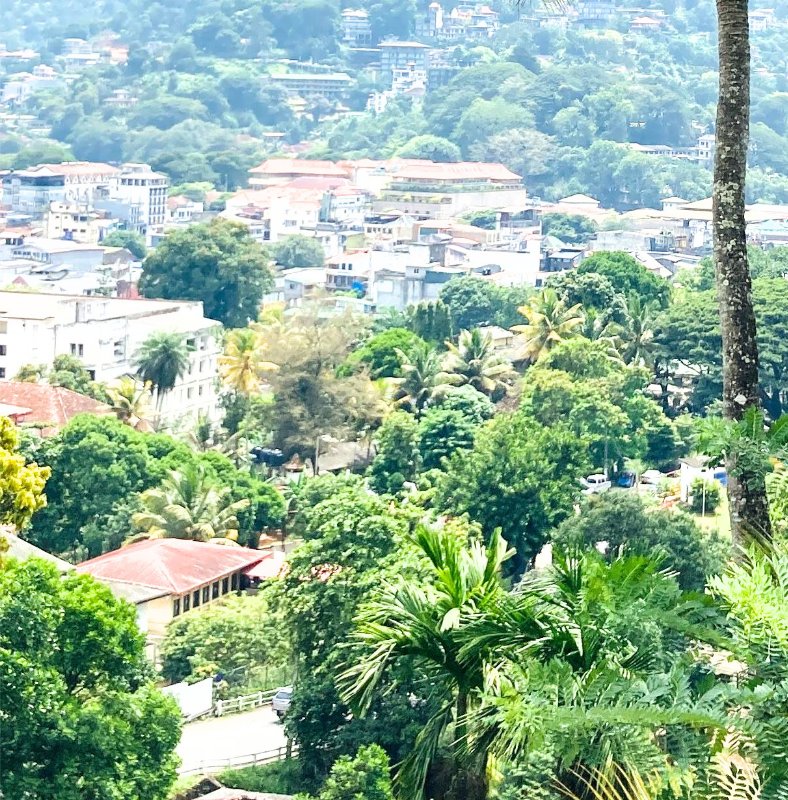
For many of us, land in Jamaica is more than property. It is the yard where we grew up, the plot Granny bought with years of sacrifice, the place we dream of returning to. That is exactly why it is worth protecting, and why we are sharing what we have learned about the scams that target it.
We do not write this to frighten anyone. We write it because a little knowledge, shared in time, can save a family years of heartache.
SCAMMERS DO NOT ALWAYS LOOK LIKE SCAMMERS.
It would be easier if fraud announced itself. It rarely does. Some of the most damaging property schemes in recent years have involved people with qualifications, professions and standing in their communities. In 2026 alone, a medical doctor pleaded guilty to her role in an elaborate mortgage and real estate scheme used to defraud several Jamaican banks of approximately $600 million, and a Justice of the Peace was sentenced to imprisonment in a separate real estate fraud. Professionals in law and finance have also faced charges.

Equally painful is this: the National Land Agency has noted that in many cases the frauds are identity theft committed by relatives or persons known to the owner. A degree, a title, a church pew or a family name is not a guarantee. Good paperwork and independent checks are.
SIX SCAMS TO KNOW. 01. THE LOST TITLE SCAM.
A fraudster obtains forged identification in your name and tells the Registrar of Titles your original title was lost. A new title is issued, and your land can then be sold or mortgaged without your knowledge. Warning signs: anyone asking for copies of your ID, your title details or your signature "just to have on file"; someone offering to "sort out the papers" for you without involving your own attorney.
02. THE FAKE OWNER SALE.
Once a fraudster holds a title in your name, the property is "sold" by someone posing as the legitimate owner to an accomplice, using a mortgage from an unsuspecting financial institution. The scheme mentioned above used forged driver's licences, birth certificates, marriage certificates and taxpayer registration numbers in dozens of fictitious names. Warning signs: strangers measuring or photographing your property; neighbours mentioning that "the owner" has been by; any notice about a mortgage you never took.
03. THE FORGED POWER OF ATTORNEY.
Those of us living abroad often depend on someone at home to act for us, and that trust can be exploited. A power of attorney may even contain a forged signature, where someone impersonating the owner gives themselves the power to deal with the property, and untangling it can take years in court. Warning signs: pressure to sign a broad power of attorney quickly; a document prepared by someone else's lawyer; reluctance to let you have it reviewed.
04. SELLING LAND THEY DO NOT OWN.
Overseas buyers are a favourite target because they cannot easily visit. In one case, a buyer living overseas paid US$40,000 for land advertised for sale, communication dwindled, and she was unable to obtain the title. Warning signs: a price that seems too good; urgency ("other people want it"); requests for deposits before you have seen a title search; payment into a personal account.
05. SELLING LOTS ON LAND THEY DO NOT CONTROL.
In one St Catherine community, hundreds of people are believed to have lost millions buying lots on land that belonged to the Government. Residents later said the sellers looked entirely legitimate, with big cars and receipt books. Warning signs: informal subdivisions with no registered titles; "receipts" in place of a sale agreement; sellers who cannot produce a title in their own name.
06. FORGED PROFESSIONAL DOCUMENTS.
Even official-looking letters can be fake. In one concluded case, a forged letter gave a professional undertaking that the balance of a purchase price would be paid, and relying on it, the seller's attorney transferred the property title. Warning signs: documents that arrive through the other party rather than directly from the professional named on them.
SQUATTING: THE QUIET LOSS.
Not every loss is a scam. Under Jamaican law, a person in possession of land for at least 12 years unchallenged can get a title for it if the paper owner fails to assert their own title within that period. For families abroad who rarely visit, this can happen without anyone noticing until it is too late.
IF YOU OWN LAND: STEPS TO TAKE THIS WEEK.
You do not have to be in Jamaica to start protecting your property. These checks can be done from wherever you are.
01. Look up your property on eLandjamaica. The National Land Agency's online service, at elandjamaica.nla.gov.jm, allows users both locally and internationally to access Jamaica's land-related documents, including Certificates of Title. The free search shows general information such as the property details, land valuation number and title number. For a small fee, you can view the title itself and confirm that your name is still the registered owner and that no transfers, mortgages or caveats appear that you do not recognise.
02. Check your property tax online. Visit jamaicatax.gov.jm and use your valuation number to check the status of your property tax, going back seven years. Pay any outstanding amount online by credit card. While you are there, look at who has been paying. If payments you did not make are appearing, ask why. Keeping your property tax current is good stewardship and keeps your records clean, though on its own it does not stop a squatter.
03. Ask the National Land Agency about its alert service, which notifies registered owners when a transaction is lodged against their title. The NLA can be reached by email at customercare.elandjamaica@nla.gov.jm or through its online customer portal, NLA Connect, at nla.gov.jm.
04. Review any power of attorney you have given. Use one only when needed, keep it limited in scope and time, have it prepared by your own Jamaican attorney, and register it with the NLA. If it is no longer needed, ask your attorney to help you revoke it.
05. Arrange an independent check. Ask someone you trust, ideally not the person already managing the property, to visit and send dated photographs. For larger or rural parcels, a commissioned land surveyor can confirm your boundaries. If you learn that someone is occupying your land, speak to an attorney promptly.
06. Secure your documents. Keep your duplicate certificate of title in a safe place, and not casually with relatives or caretakers. Keep copies for your family, and never send images of your title or identification to anyone you have not verified.
07. Write it down. Record your valuation number and title reference (volume and folio) and keep them with your important family papers, so the next generation knows what you own and where to find it.
IF YOU ARE BUYING LAND. 01.
Never pay a deposit before a title search confirms who owns the land. 02. Make sure the seller's name and identification match the title. 03. Use your own attorney, never one recommended by the seller, and confirm they hold a current practising certificate with the General Legal Council. 04. Pay only through your attorney's client account, never in cash or to a personal account. 05. Be cautious of urgency, unusually low prices and family sales arranged "for Granny" without proper paperwork.
IF SOMETHING IS WRONG.
Act quickly. Contact your attorney, the National Land Agency and the police. Organised land scams can also be reported to the Major Organised Crime and Anti-Corruption Agency.
A FAMILY MATTER.
Our land carries our history. Protecting it is not about suspicion of everyone at home; it is about care, for the land and for the people who will inherit it. Have the conversation this Christmas. Ask the questions. Check the paper. It is one of the most loving things we can do for the generations coming after us.
Written by Tatiana Answer.
If you or anyone you know would like more information or is concerned about this issue, please contact Tatiana at TWP Attorneys. Email: tatiana.answer@twpattorneys.com