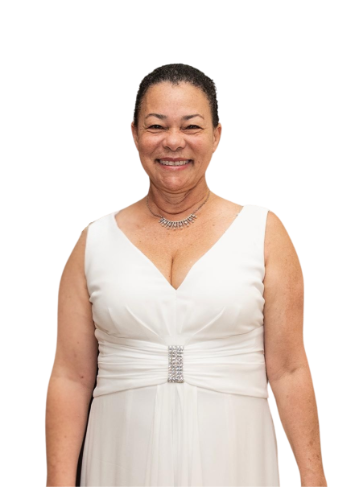
“Jamaica is back! These artists demonstrate the resilience of the Jamaican people. It is a great opportunity to be here and to be recognized.”
— Christopher Wright, Jamaica Tourist Board, SE USA
The Sound: Jamaica on Every Stage
At the 2026 New Orleans Jazz and Heritage Festival, Jamaica did not arrive with a single sound. She arrived with all the sounds of a nation's passion. She came to represent. From the oldest folk rhythms of the countryside to the conscious fire of roots reggae, the global swagger of dancehall, the spiritual depth of the revival movement, and the sophisticated elegance of Caribbean jazz, the lineup offered a musical portrait of an island whose creative range continues to move the world.
What follows is not simply a list of performances. It is a journey through the soul of Jamaica, from where she began to where she is going, told in the voices of the artists who are carrying her there.
Where It All Began: Mento
ShowJam Mento Band. Before reggae. Before ska. Before the world knew Jamaica's name, there was mento. Jamaica's first folk music, born in the rural parishes of the island in the late 1800s, mento carried the rhythms of Africa and the melodies of the Caribbean in equal measure. The ShowJam Mento Band brought this foundational sound to the Cultural Exchange Pavilion with warmth, authenticity, and the quiet pride of people who know they are carrying something precious. Complete with the rhumba box providing its distinctive bass heartbeat, they played standards including a version of the traditional mento song "Day-O," made famous internationally by Harry Belafonte, to audiences who leaned in with the curiosity of first encounter. Many heard mento for the first time that afternoon. They will not forget it.
The Blueprint: Ska
The Skatalites. Without the Skatalites, there is no reggae. It is that simple. Formed in 1964, they backed the earliest recordings of Bob Marley and the Wailers and laid the rhythmic foundation on which all of modern Jamaican music rests. They reunited in 1983 and have been playing ever since, releasing 17 studio albums across a career that is less a discography than a living archive of Jamaican musical history. At Jazz Fest 2026, they took the stage during the rain adjusted second weekend schedule and played as though the weather was irrelevant. For them, it was. When you have been making music for over six decades, a little rain is just percussion.
The Conscience: Roots Reggae
Winston Rodney — Burning Spear. At 81 years old, Winston Rodney, known to the world as Burning Spear, does not perform so much as he testifies. Taking the Congo Square Stage on the first Saturday, he led his band through "Slavery Days," "Jah No Dead," and "Rocking Time" with the unhurried authority of a man who has spent five decades insisting that the African story must be told and the roots must be honored. The crowd grew larger with every song, drawn by something that transcended entertainment. This was bearing witness. At Congo Square, on sacred ground where the ancestors of both Jamaica and New Orleans once kept their traditions alive, the message landed exactly where it was always meant to.
Stephen Marley. Stephen Marley brought eight Grammy Awards and over 45 years of musical artistry to the Congo Square Stage on opening night of Jazz Fest 2026. A singer, songwriter, and producer of formidable range, he moved between his own work, including songs from Old Soul, and Wailers classics including "Iron Lion Zion," "Jammin'," and "Get Up, Stand Up." The audience sang every word. They always do.
Ziggy Marley. Ziggy Marley brought his ninth studio album, Brightside, to the Congo Square Stage on the rain soaked second Friday. Stagehands swept puddles from the stage before Ziggy and his band came out. The crowd that had waited through the delays stayed, because Ziggy Marley is worth waiting for. The rain never stood a chance. New songs sat alongside Wailers classics that drew the loudest applause of the night. In true Jamaican style, Ziggy adapted and the crowd with him. Soaked and smiling, the Fair Grounds sang along.
Lutan Fyah. Nineteen full length studio albums and a live record. Few artists in any genre can claim that kind of sustained creative output, and fewer still can claim that the quality of the work has never wavered. Lutan Fyah is one of roots reggae's most prolific and committed voices, his music rooted in Rastafari conviction and socially conscious lyrics that speak directly to the struggles and triumphs of everyday people. His Jazz Fest performances left audiences with something to carry home beyond a good memory.
Jesse Royal. At 36, Jesse Royal represents roots reggae's living future. His third studio album, No Place Like Home, earned a Grammy nomination in 2025, and the deluxe version arrives May 16, 2026. He performed on the opening day of the second weekend with the lyrical depth and spiritual grounding that connects him directly to the tradition roots reggae has carried for five decades. The thread is unbroken and Jesse Royal knows it.
Luciano. One of roots reggae's most revered voices, Luciano brought his message of love, faith, and cultural pride to the second weekend. A vocalist of extraordinary warmth and conviction, his presence in the pavilion was a reminder that Jamaican music has always been about something larger than entertainment. It has always been about belief.
One Love Jamaica.
The Revolution: Conscious Revival
Protoje. With his signature call, "O-okay!" resounding across the Fair Grounds, Protoje opened the gates for a new school of reggae at Jazz Fest 2026. Founder of the In.Digg.Nation Collective, he has spent a decade building a movement that blends roots reggae with conscious lyrics, dancehall riddims, and R&B influences, nurturing artists who have gone on to reshape the genre entirely. His Congo Square Stage performance on the first Friday drew couples dancing, strangers exchanging knowing smiles, and a New Orleans reggae community that recognized immediately what it was witnessing. A new generation, fully formed, fully arrived.
Sevana. With a voice one New Orleans reggae DJ described as bringing people together regardless of race or religion, Sevana held two performances on the first Friday, at the Pavilion and on the Gentilly Stage. She first appeared on Protoje's 2015 Ancient Futures album and has been building a devoted following ever since. Audiences near the Cultural Exchange Pavilion could hear her sing "Mi love you like mango" and "Lowe mi, mek mi live" over classic rocksteady and roots reggae rhythms. She is one song away from becoming a household name. Jazz Fest may have been that song.
Lila Iké. Grammy nominated and ascending with remarkable speed, Lila Iké brings a smoky, soulful sound to contemporary reggae that sits beautifully between roots tradition and modern R&B. Her debut album Treasure Self Love, featuring H.E.R. and Joey Bada$$, announced her arrival to the world, and her Grammy Awards performance this year confirmed it. Closing out the Cultural Exchange Pavilion on the final Sunday of Jazz Fest, she gave the festival its most emotionally resonant ending. A voice that carries weight without forcing it.
Runkus & Royal Blu with Dub Squad. Performing through the weather disruptions of the second weekend with exactly the spirit the moment demanded, Runkus & Royal Blu with Dub Squad delivered one of the pavilion's most energetic performances. They came. They played. They gave everything. Jamaica does not wait for perfect conditions.
The Global Ambassador: Dancehall
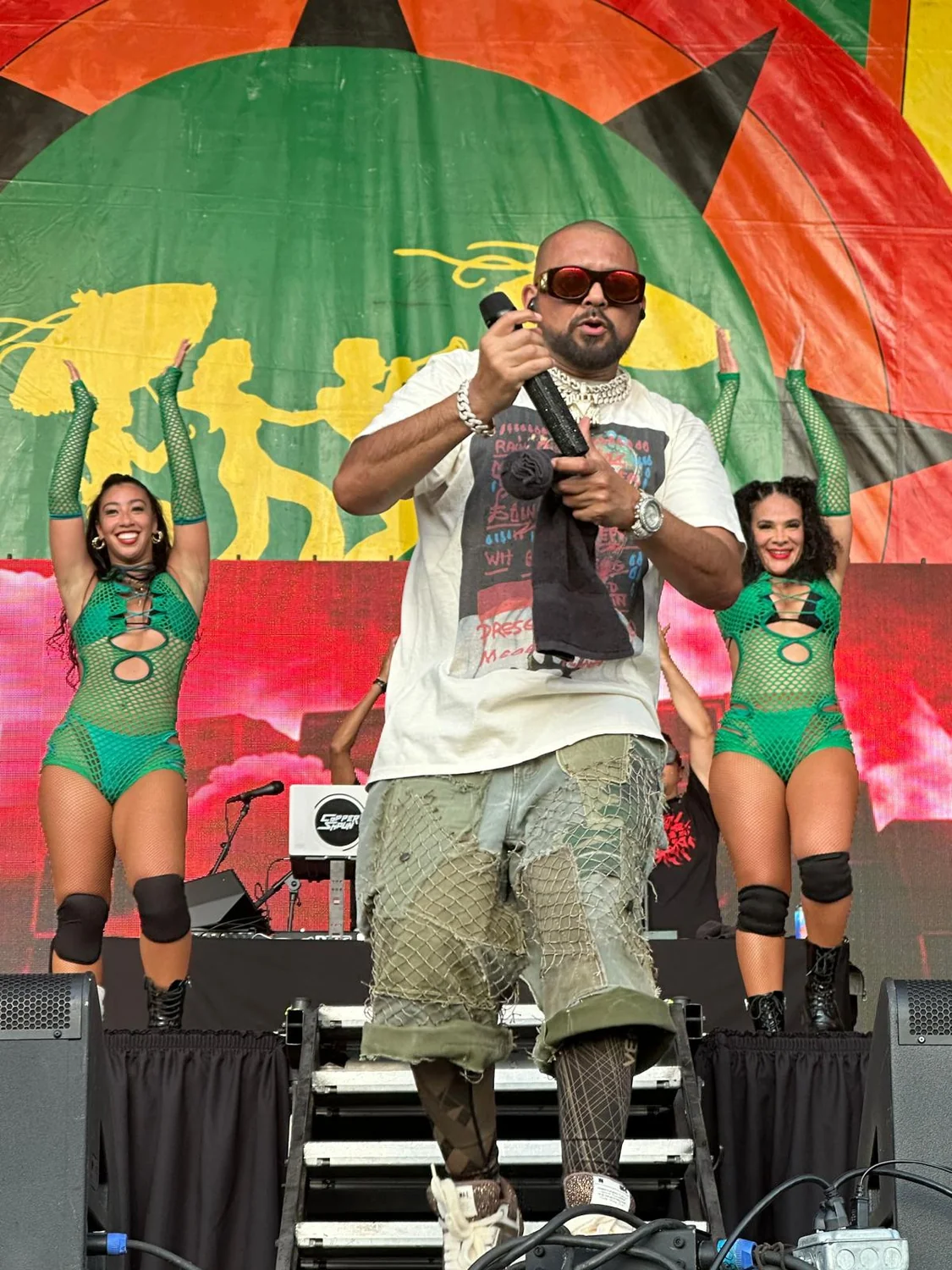
Sean Paul. Sean Paul is dancehall at its most joyful, its most infectious, and its most unapologetically Jamaican. For over two decades, he has carried Jamaica's rhythm to every corner of the world, turning the island's sound into a global language that needs no translation. His Congo Square Stage headline set was described by multiple people as their favorite performance of the entire weekend. The energy, the hits that audiences on every continent know by heart, the pure unfiltered joy of a Jamaican party done right. His dancers commanded the stage with a precision and sensuality that matched every beat, and the crowd could not take their eyes off them, cheering as much for the movement as for the music.
The Debut: A New Voice
Rik Jam with Island Federation. Hailing from Kingston, Rik Jam released his debut album The Genesis in 2025, a deeply personal record rooted in faith, upbringing, and the search for identity. He performed on opening day on both the Congo Square Stage and in the Cultural Exchange Pavilion, one of the few artists to bridge both stages in a single day. A debut performance at Jazz Fest is not a small thing. Rik Jam handled it with the grace of someone who has been preparing for exactly this moment his entire life. Remember the name.
The Connective Thread: Steel and Strings
Silver Birds Steel Orchestra. Silver Birds Steel Orchestra began in 2007 as a high school outreach programme in Jamaica and has since become a staple of the island's resort and performance circuit. Featuring steel drums and a repertoire that moves fearlessly from Bob Marley to Lady Gaga, they performed across multiple stages during the first weekend, including the Jazz & Heritage Stage on Saturday. There is something about steel drums in the open air that makes time feel briefly irrelevant. Silver Birds understand this. They use it beautifully.
The Bridge: Caribbean Jazz
Dr. Monty Alexander, C.D., O.J. Born in Kingston, Jamaica on June 6, 1944, Monty Alexander was playing by ear at four, performing in local clubs at 14, and participating in the foundational ska recording sessions that would help give birth to reggae by his mid teens. By 19, he was in New York City. Today he is Grammy nominated, cited among the five greatest jazz pianists of all time, documented on over 75 recordings, and honored by the Jamaican government with the Order of Jamaica for his contributions to the promotion of Jamaican music globally. His Jazz Fest 2026 headline performance at the WWOZ Jazz Tent was titled "Jamericana," his signature artistic concept: the fusion of Jamaica's African-rooted rhythmic tradition with the jazz born in America's Deep South. When Dr. Alexander sat down at that piano on opening night, Kingston and New Orleans converged on one stage. One unbroken line of Black musical genius, from the ska sessions of late 1950s Jamaica to the sacred ground of the Jazz Tent, finally and fully home.
Akwaaba.
Heritage in Motion
Kaya Jonkonnu Band and Walking Tall Jamaica. Not all of Jamaica's music at Jazz Fest 2026 happened on a stage. The Kaya Jonkonnu Band and Walking Tall Jamaica paraded through the Fair Grounds on both weekends in the spectacular regalia of Jamaica's oldest masquerade tradition. Phone cameras went up. Children pressed forward. Adults stopped mid-stride. And somewhere in the crowd, it became difficult to discern where the Jonkonnu ended and the Mardi Gras Indians began. Two traditions, born from the same ancestral memory, moving through the same sacred ground, speaking the same language of resilience, color, and joy.
Akwaaba.